A One Tree Planted story
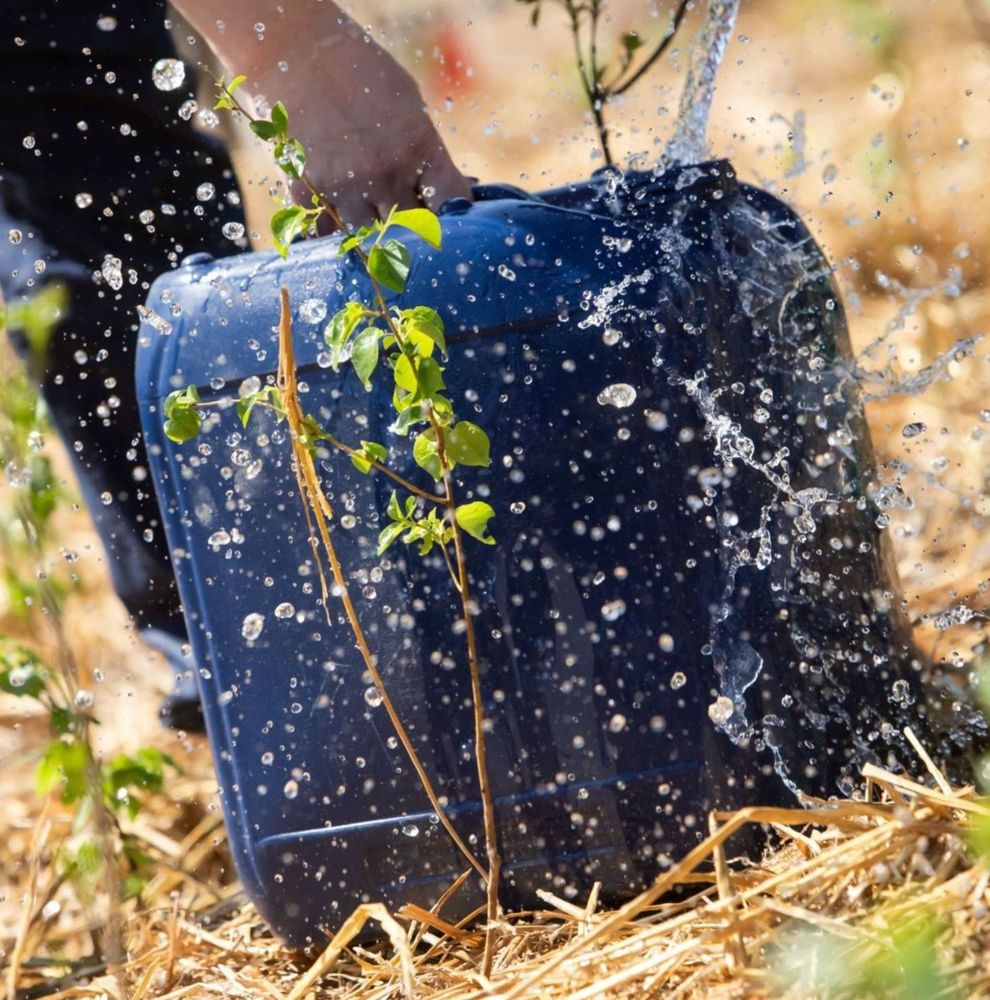
As part of an international project, tree plantings are taking place this year in Budapest, alongside Madrid and Bucharest, to mitigate the effects of urban heat islands, thanks to the 10 Million Trees Foundation. In collaboration with One Tree Planted, these afforestation projects, covering nearly one thousand square meters across seven locations, will see the planting of over a thousand trees in the capital this year.
“Our collaboration with One Tree Planted dates back to the autumn of 2020,” says Iván András Bojár, founder of the 10 Million Trees Foundation. “Over the past three years, we have planted thousands of trees together in Dombfalva, Nyim, and Székesfehérvár. We are working on a variety of projects, always tailored to local needs. In Dombfalva and the Nyim eco-community area, we completed an ecological restoration project this spring with the planting of over 2,200 saplings, and last autumn and this spring, we planted 350 trees in 19 schools in Székesfehérvár and its surroundings.”
Tree Planting Against Urban Heat Islands
“Thanks to our previous successful collaborations, we were invited to a competitive tender this year,” says Franciska Hervai, chief coordinator of the 10 Million Trees Foundation, “which we won. As part of the One Tree Planted European pilot project, tree plantings are taking place this year in Budapest, alongside Madrid and Bucharest, to mitigate the effects of urban heat islands, thanks to the 10 Million Trees Foundation. In seven locations, covering nearly one thousand square meters, we will plant over a thousand trees and numerous shrubs. At four of the seven locations, we will establish Miyawaki mini-forests, and our planting on May 14 will create an edible garden in collaboration with Budapest Bike Mafia in the garden of a homeless shelter.”
“Miyawaki forests have now spread across the globe and, due to their special properties, can effectively mitigate the effects of climate change in large cities,” explains Iván András Bojár. “The trees in these planted forests grow at a faster rate, sequestering more CO2 in a shorter time, and they also contribute to creating more livable cities through various other ecological services. Trend analyses show a general trend that heatwaves are becoming more frequent, longer, more severe, and more intense across the entire Central European region, including Budapest. All official meteorological data indicate a significant rise in summer temperatures over the past decades. The increase in built-up public spaces and concrete surfaces, along with the loss of green areas, has led to a rise in the number of urban heat islands, which pose significant public health risks and reduce the quality of life in the city. Moreover, the number of summer heat alerts has also significantly increased: in Budapest, for example, it has tripled.Compared to a century ago, the annual average of second-degree heat alert days, as well as third-degree alerts, has significantly increased. Urban heat islands further exacerbate the negative effects of summer heatwaves. In city centers and densely built areas, temperatures can be 5-10 degrees higher than in the outskirts. This poses serious health risks for urban residents, particularly the elderly and those with health conditions. Such mini-forests effectively regulate the local microclimate—not only through the shade provided by the trees but also by the cooling effect of the water vapor they emit.
“This spring, as part of this project, we planted two Miyawaki forests,” says Franciska Hervai, “one at the Pest end of the Rákóczi Bridge and the other at the intersection of Határ Road and Soroksári Road. At the Aszódi Street homeless shelter, we will be planting an edible garden in collaboration with Budapest Bika Mafia, and in the fall, we will plant in four more locations in Budapest, two of which will be Miyawaki forests.”
“As part of the One Tree Planted ‘Earth Month’ international event series, plantings are taking place throughout April in many cities around the world. In the spring of 2022, we planted 15 mature trees in Budapest, in the 15th district, at the playground and dog park on Ozmán Street, and this year we planted 11 trees in Bonyhád and Kakasd, while in Győr, we created a so-called ‘Fairy Garden’ consisting of over forty native fruit trees in the local community house garden,” shares further details Bojár Iván András. “We hope to have more large-scale joint projects in various parts of the country in the future, so we can combat the increasingly noticeable negative effects of climate change in as many cities as possible. We need to provide local answers to a global problem, and that is exactly what we are doing in collaboration with major international tree-planting organizations.”
One Tree Planted is one of the largest international nonprofit organizations focused on urban tree planting, reforestation, and promoting environmental awareness. Since 2014, they have planted 92 million trees worldwide in cooperation with local partners and supporting local communities.
The organization’s goal is to combat deforestation and climate change, as well as to improve the quality of life for wildlife and people in various parts of the world. One Tree Planted collaborates with numerous different initiatives and organizations in over 80 countries to increase the area of urban green spaces and forests.